Velvet Garden: Color Circuit
Leave your mark on the paper, score more on it next round, and hang the prints to dry.
Pro game
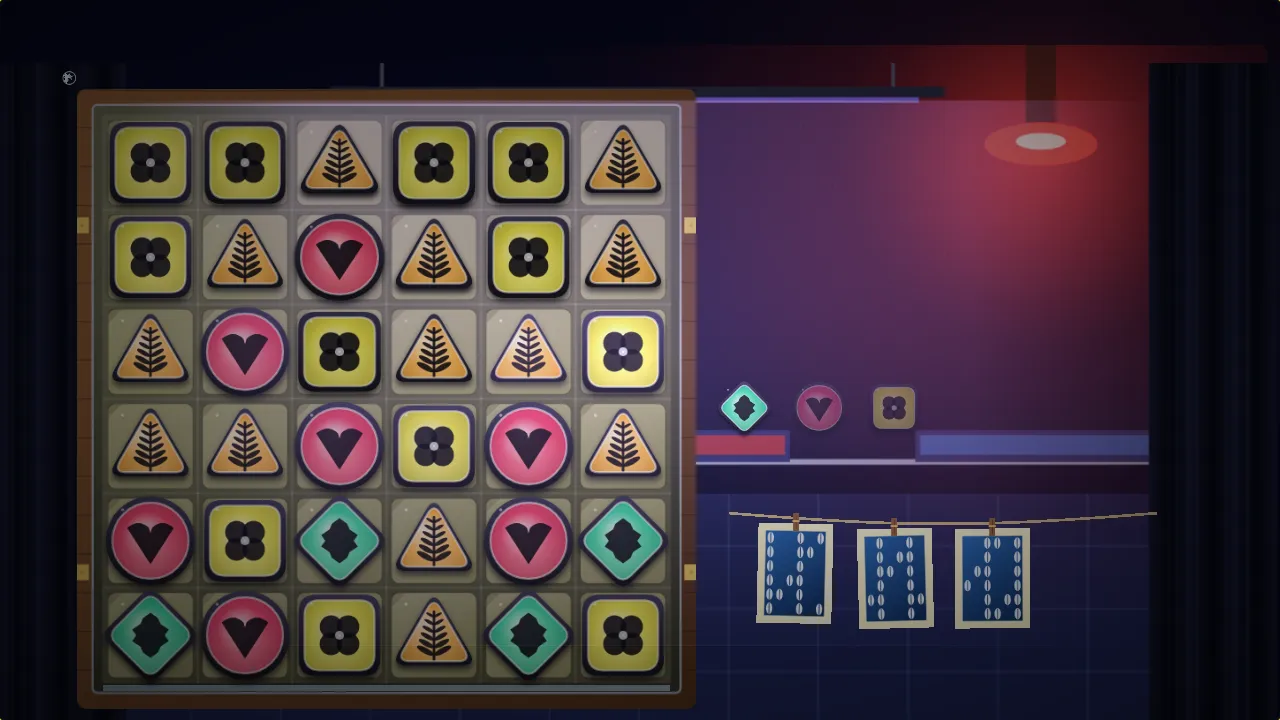
The Cyanotype Darkroom
Velvet Garden: Color Circuit
Leave your mark on the paper, score more on it next round, and hang the prints to dry.
This game could not load.
About Velvet Garden: Color Circuit
Deep in a library of living stained glass there is a darkroom where the sun is kept in a drawer. Six kinds of glass negative lie in the printing frame in six colours and six card mounts, each with a pressed plant printed across it in black: a ginkgo leaf, a fern, a poppy, an oak leaf, a dandelion clock and an ear of wheat. Swap two neighbours to line up three or more and they burst into light.
A frame is printed in short rounds, and every round leaves its mark. Where you played, the paper turns the deep blue of a cyanotype, with a white fern showing on it; in the next round every tile cleared on that paper scores more, and more again where it was inked twice. A whole group cleared on paper that is already blue is a double exposure, worth 120 points more. Beside the frame the circuit asks for colours in a fixed order; close it as often as the frame asks to win.
When a round ends the ultraviolet lamp swings on over the frame, and a print of the ink that round left is pegged to the drying line over the panel. The line grows into the pattern your rounds have made, one print after another.
Twelve frames are drawn by hand, from the first exposure to the great print: a ginkgo leaf, a poppy head, an arch window, a wheat field, a double exposure. The music is a slow, hypnotic tune on vibraphone and pad, the sounds are glass, water and a ticking clock, and every frame has been solved by a computer player first, so a way to win always exists.
Your stars, bests and badges stay in this browser, and nothing is uploaded.
How to play
- Drag a negative toward a neighbour, or tap one and then the next. Arrow keys move a cursor; Enter or Space picks a negative.
- Each round inks the paper where it was played. In the next round, tiles cleared on inked paper score more.
- A whole group cleared on paper that is already inked is a double exposure: 120 points.
- Clear the colours in the order shown beside the frame to close the circuit. A colour out of turn does not break it: the circuit waits.
- Press H or the Hint button for a move that works. Press P, Escape or Start to pause.
Controls
- Drag a tile, or tap two tiles — swap
- Arrow keys or WASD, then Enter or Space — swap
- H or Ⓨ — hint
- P, Escape or Start — pause
Frequently asked questions
What does the ink do?
At the end of a round the cells where you cleared tiles are inked: the paper turns blue. In later rounds every tile cleared on inked paper scores more, and more again if the paper was inked twice.
What is a double exposure?
It is a whole group of three or more tiles cleared on paper that was already inked. It pays 120 points on top of the clear, so lay the next round on the same ground where you can.
What is the circuit?
It is the short row of colours beside the frame. Clear the first colour, then the second, and so on to close it. Clearing a colour out of turn never undoes anything: the circuit simply waits for the colour it needs.
Can every frame be won?
Yes. Each frame is solved by a computer player before you see it, so a way to win always exists. Your stars, bests and badges stay in this browser only.
Related games
All Puzzle games →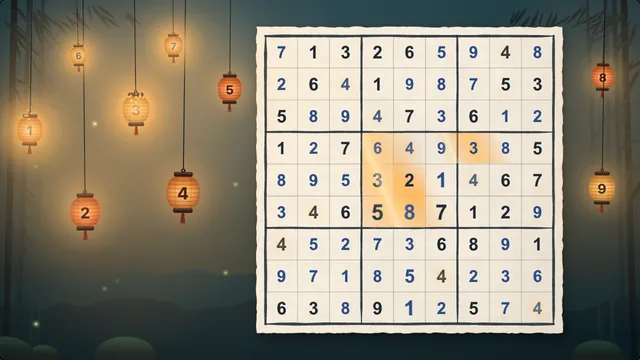 Sudoku A handmade grid under nine paper lanterns. Fill every row, column and box with 1 to 9. Pro game
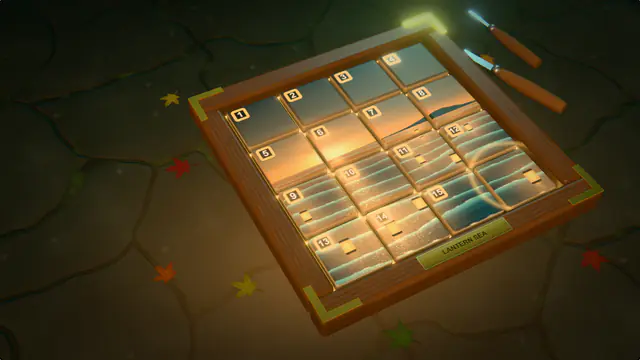 Sliding Puzzle Slide the carved tiles back into place and bring the painting to life. Pro game
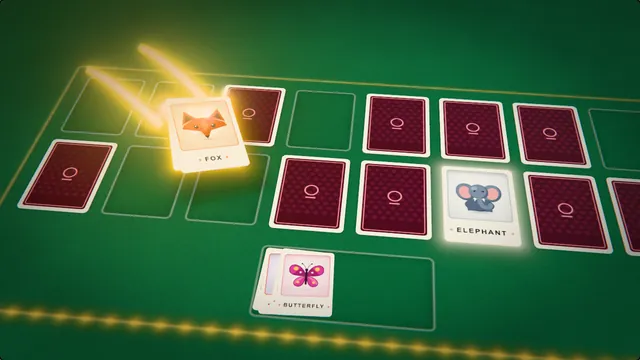 Memory Match Flip two cards at a time and find every matching pair. Pro game
 Minesweeper Clear the board without clicking a mine — use the numbers as clues. Pro game
 Merge Numbers Slide, merge matching gems and chase the highest stone you can make. Pro game
 Prism Orchard: Chainburst Plan two swaps, release them together, and split the sunrise with a chain. Pro game