Neon Almanac: Cipher School
Tune the dial, go on air with your confidence, and say how you know.
Pro game
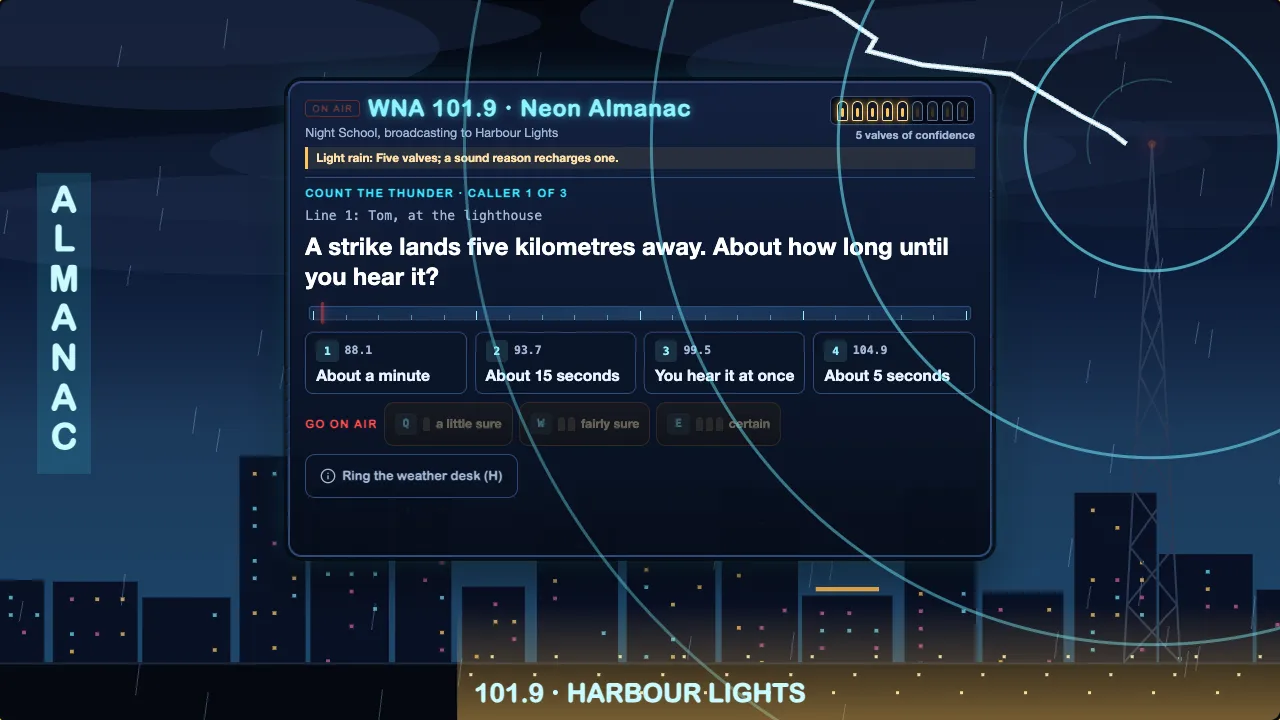
Night School on the storm-night radio
Neon Almanac: Cipher School
Tune the dial, go on air with your confidence, and say how you know.
This game could not load.
About Neon Almanac: Cipher School
The Neon Almanac is a late-night radio show broadcast from the top floor of a tower in a neon city, and tonight a storm sits right on the mast. Its host, Juno Vale, runs Night School: one rule of the almanac per segment, such as counting the seconds between a flash and its thunder, reading a falling barometer, or shifting a weekday across a year, worked through once on air.
Then the lines open and three callers ring in with questions the rule cracks. You tune the dial to one of four stations, then go on air with your confidence: one, two or three of the transmitter’s glass valves. A right answer keeps them lit and scores 100 for each; a wrong one blows them. Then Juno asks how you know, and the sound reason brings a charge down the mast that recharges a valve. If every valve goes dark you answer on a hunch, so you are never stuck.
Win a segment by answering all three callers right without ringing the weather desk, and lightning strikes the mast: the storm parts and the whole district hears you on a clear signal. Each broadcast is three segments, about six minutes, under one storm of the night. Valves are earned in play only and never traded for anything. Your progress stays on this device.
How to play
- Read the segment card: one rule of the almanac and an example worked on air.
- For each of the three callers, tune the dial to an answer (tap a station, or press 1 to 4). You can retune.
- Go on air with one, two or three valves of confidence (tap, or press Q, W, E). Right keeps them lit and scores 100 a valve; wrong blows them.
- Juno asks how you know: pick the sound reason (1 to 3) to recharge a valve and score 50.
- Ring the weather desk (H) to strike two wrong stations off the dial, but a segment is only won without help.
- Win a segment with all three callers right and no help for a clear signal over the city.
Controls
- Tap a station on the dial, or press 1 to 4
- Tap a confidence button, or press Q, W, E — go on air with one, two or three valves
- Tap a reason, or press 1 to 3; H — ring the weather desk
- Arrow keys or D-pad — move; Enter or Ⓐ — press; Escape or Start — pause
Frequently asked questions
What are the valves?
Your confidence. When you go on air with an answer you put one, two or three of the transmitter’s valves behind it. A right answer keeps them lit and scores 100 for each; a wrong one blows them. They are earned in play only and are never traded for anything.
How do I get valves back?
Say how you know. After each answer Juno asks for your reason; the sound one recharges a valve. In a gale, three sound reasons in a row bring lightning that recharges three. With every valve dark you answer on a hunch for half the points.
How is a segment won?
Answer all three callers right without ringing the weather desk. Then lightning strikes the mast and the segment goes out on a clear signal.
What changes from one broadcast to the next?
The segments, the district you broadcast to, and the storm: light rain, a gale warning, or the eye of the storm, where the last caller of each segment scores double.
Related games
All Word & Trivia games → Trivia Quiz Eight original questions under the studio lights. Answer fast and keep your streak alive. Pro game
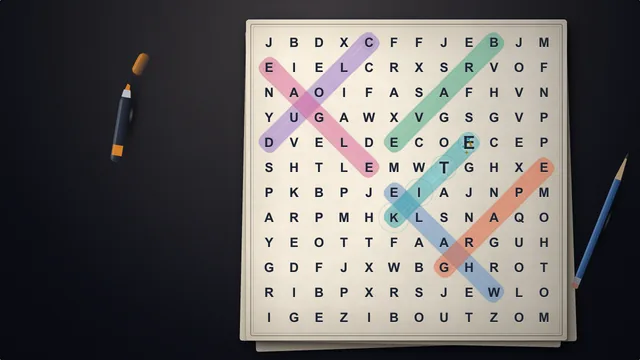 Word Search A fresh grid of letters, a highlighter in your hand. Find every hidden word. Pro game
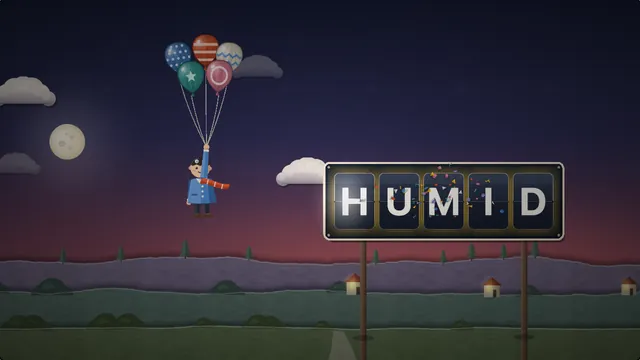 Hangman Guess the hidden word letter by letter and keep the balloons flying. Pro game
 Lexical Riddle: Cipher School A tile changes after every word you find. Learn the cipher, then pass the test without a hint. Pro game
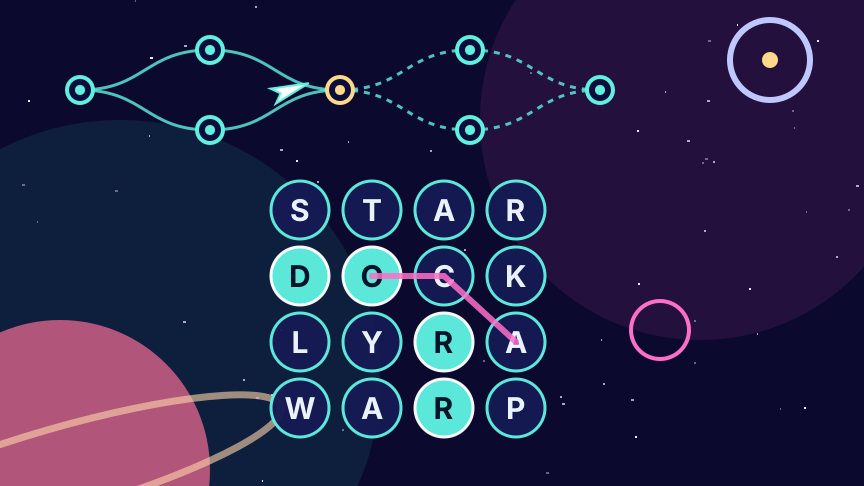 Lexical Riddle: Word Trails Every word carries your ship one stop further. Choose your branch, reach the finale. Pro game
 Lexical Riddle: Quickfire Three galleries, one clock each. Quick words and long streaks score the most. Pro game